Appendicitis is a medical condition characterized by the inflammation of the appendix, a small pouch located in the lower right abdomen.
It can lead to severe pain and complications if left untreated.
Dr. Sandeep provides comprehensive insights into the causes, symptoms, and risk factors associated with appendicitis to help you better understand this condition.
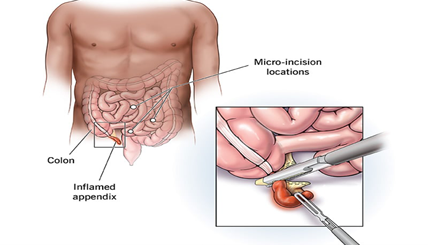
Abdominal Pain: The most common and hallmark symptom of appendicitis is abdominal pain that typically starts around the navel and then migrates to the lower right side of the abdomen. The pain often becomes more severe over time and can be described as sharp, stabbing, or cramp-like.
Loss of Appetite: Many people with appendicitis experience a loss of appetite and may feel nauseous or have episodes of vomiting.
Fever: Appendicitis can cause an elevated body temperature, resulting in a fever. A fever is often a sign of infection.
Inability to Pass Gas: Some individuals with appendicitis may have difficulty passing gas, and they may feel bloated.
Diarrhea or Constipation: Appendicitis can sometimes cause changes in bowel habits. You might experience diarrhea or constipation.
Abdominal Tenderness: When a doctor examines your abdomen, they may find that the area over the appendix is tender to the touch. This is a common sign of appendicitis.
Rebound Pain: A sign known as rebound tenderness may be present. This means that when the doctor presses gently on the abdomen and then releases, the pain becomes worse upon release.
Pain with Movement: Coughing, sneezing, or sudden movements can intensify the pain in the lower right abdomen.
It’s important to note that the symptoms of appendicitis can vary from person to person, and not everyone will experience all of these symptoms. Additionally, in some cases, the location of the appendix may be different, leading to atypical symptoms.
Appendicitis can be a medical emergency, and a ruptured appendix can lead to serious complications. Do not attempt to diagnose or treat appendicitis at home; always consult a Surgeon nearby for proper evaluation and treatment.
Laparoscopic surgery, also known as minimally invasive surgery, offers several benefits for patients with appendicitis. Dr. Sandeep Shekhar who is well known surgeon in dombivli and best surgeon in dombivli explains how this technique involves smaller incisions, reduced pain, faster recovery times, and minimal scarring compared to traditional open surgery.

With years of experience in performing laparoscopic surgeries for appendicitis, Dr. Sandeep Shekhar in Dombvili has established himself as a leading specialist in the field. Dr. Sandeep emphasizes the importance of personalized care in his practice. He tailors treatment plans to meet the unique needs of each patient, ensuring the best possible outcome.
During the surgery, Dr. Sandeep performs the following steps:
1. Creation of Incisions: Dr. Sandeep makes several small incisions in the abdomen, usually 3 to 4, through which specialized surgical instruments and a laparoscope (a thin, lighted tube with a camera) are inserted.
2.Visualization: The laparoscope provides a magnified view of the abdominal cavity on a monitor, allowing the Doctor to see the appendix and surrounding tissues clearly.
3. Appendix Removal: Dr. Sandeep carefully identifies and isolates the appendix, then uses specialized instruments to remove it. In most cases, the appendix is ligated (tied off) and then cut away.
4. Tissue Examination: The removed appendix is sent to a pathology laboratory for examination to confirm the diagnosis and rule out other conditions.
5. Hemostasis: Dr. Sandeeep ensures that any bleeding from blood vessels is controlled and that the surgical area is free of excessive bleeding.
6. Closure: After removing the appendix, Dr. Sandeep closes the incisions with sutures or surgical staples. In some cases, absorbable sutures or skin glue may be used to minimize scarring.
7. Postoperative Care: Dr. Sandeep monitors the patient’s condition as they wake from anesthesia, ensuring there are no immediate complications. Pain management and further medical care are provided as needed during the recovery period.
8. Communication: Dr. Sandeep communicates with the patient and their family, explaining the outcome of the surgery, any findings during the procedure, and postoperative care instructions.
9. Follow-Up: Dr. Sandeep continues to monitor the patient’s progress during the postoperative period, addressing any complications or concerns that may arise.
Follow Your Surgeon’s Instructions:
1. Strictly adhere to the post-operative instructions provided by your surgeon.
2.Take prescribed medications as directed, including pain relievers, to manage pain effectively.
3. Notify your surgeon if the pain becomes severe or if you experience any unusual symptoms.
4. Avoid Strenuous Activities
5. Maintain a Healthy Diet and Hydration
6. Ensure Proper Wound Care
7. Report any signs of infection, such as increased redness, swelling, or discharge, to your surgeon immediately.
If you have questions or would like to schedule a consultation with Dr. Sandeep, contact us at our Clinic in Dombivli today. Dr. Sandeep and his dedicated team are ready to assist you in your journey toward a healthier, appendicitis-free life.
Dr. Sandeep Shekhar is a highly reputed general and laparoscopic surgeon with over 16 years of experience. He is renowned for his surgical expertise in laser procedures for hemorrhoids, pilonidal sinus, circumcision, as well as laparoscopic surgeries for gallstones and appendicitis. Dr. Sandeep is dedicated to providing compassionate patient care, putting your well-being first. Trust his extensive knowledge and commitment to excellence for your surgical needs.”